
Meat & game processing gear
Grind & Cure
Meat grinders, sausage stuffers, jerky gear, vacuum sealers and chest freezers, sized to how many deer you actually process. Written for hunters and households who butcher their own meat.
49 sites · all live
One card per site: what it reviews, who it is for, and a link once it is live. Every site names Mike M. as its owner and links back to this hub. None of them link to each other.
How to read a card
The mono line is the niche. The name links to the site’s profile here. Launching soon means no live link yet; the profile describes planned coverage.
How the sites earn
Each site earns a commission on purchases made through its links and says so on every page. This hub has no affiliate links. Full disclosure.
How picks are chosen
Every pick names the evidence behind it, with the source linked. Read how these sites choose what to review.
11 sites
Processing gear, waterfowl and turkey kit, hog and night hunting, optics, range gear, safes, eyewear and trail cameras. Every pick ranked on the specs, standards and manuals a buyer can check.
About the Hunting & Shooting sites →Meat & game processing gear
Meat grinders, sausage stuffers, jerky gear, vacuum sealers and chest freezers, sized to how many deer you actually process. Written for hunters and households who butcher their own meat.

Waterfowl hunting gear
Duck and goose hunting gear sorted by flyway and season: decoys and spreads, calls, blinds, waders and layering, and retriever gear, every pick scored on a published rubric built from the makers' own spec sheets, manuals and warranty terms.
Hog & night hunting gear
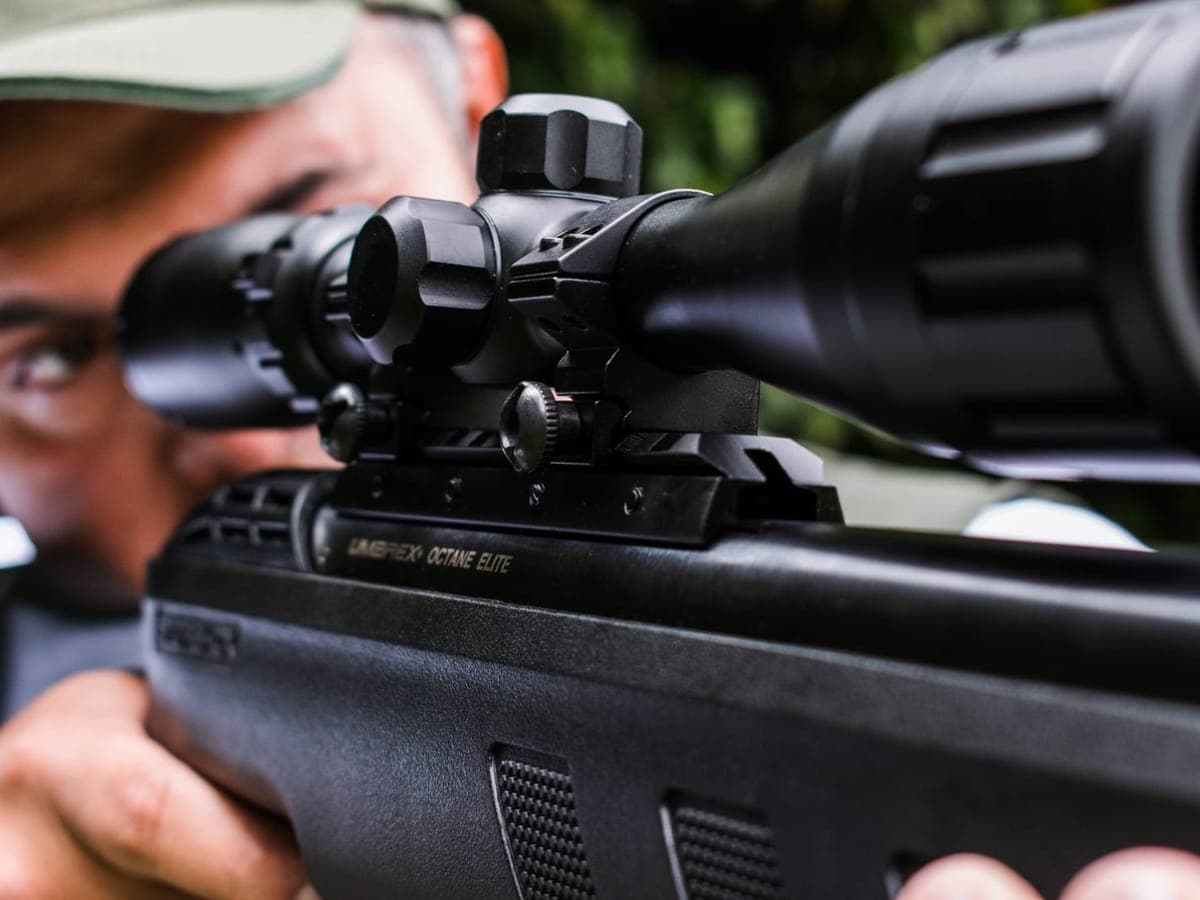
Feral hog control and night hunting gear, ranked by budget for the landowner losing ground to a sounder: thermal and night-vision optics, hunting and feeder lights, traps, feeders and the Texas rules, every pick scored on a published rubric.
Shooting range gear & hearing/eye protection
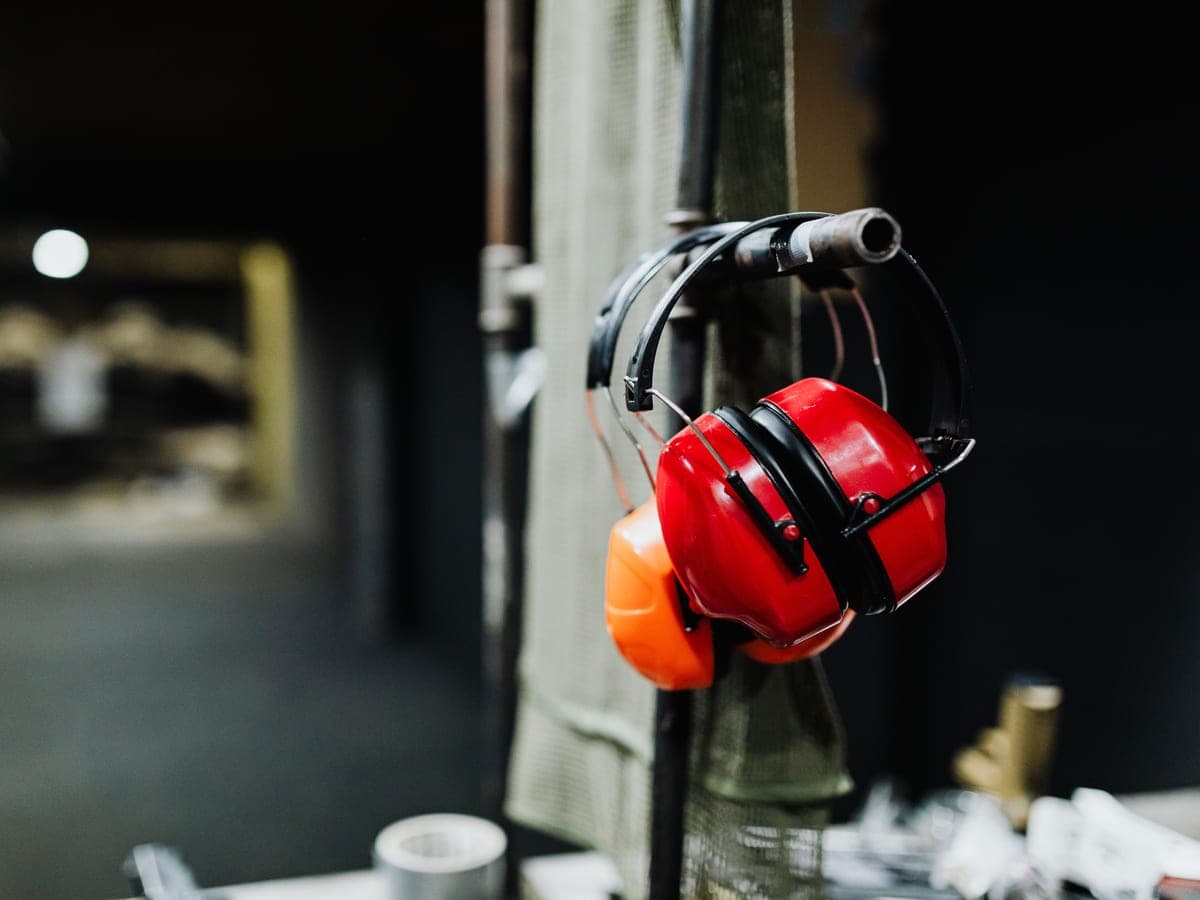
A new gun owner's first range kit, explained: ear protection with the NRR spelled out, Z87+ shooting glasses, range bags and lockable cases, targets and stands, cleaning kits, and the range etiquette nobody explains. Seven sections in the order a first-time shooter or a parent new to the range actually builds a kit, every pick scored 0-10 on a published per-category rubric, every hearing protector carrying a published EPA Noise Reduction Rating and every pair of glasses marked ANSI Z87.1 high impact.

Shooting & safety eyewear
Shooting glasses by rating: which pair actually protects. Rating-first picks for the range, the field and the shop, every one carrying a published ANSI Z87.1+, MIL-PRF-32432 or APEL rating quoted from the maker's page, across six sections from standards and lens tints to prescription, fit and youth.
Turkey hunting gear
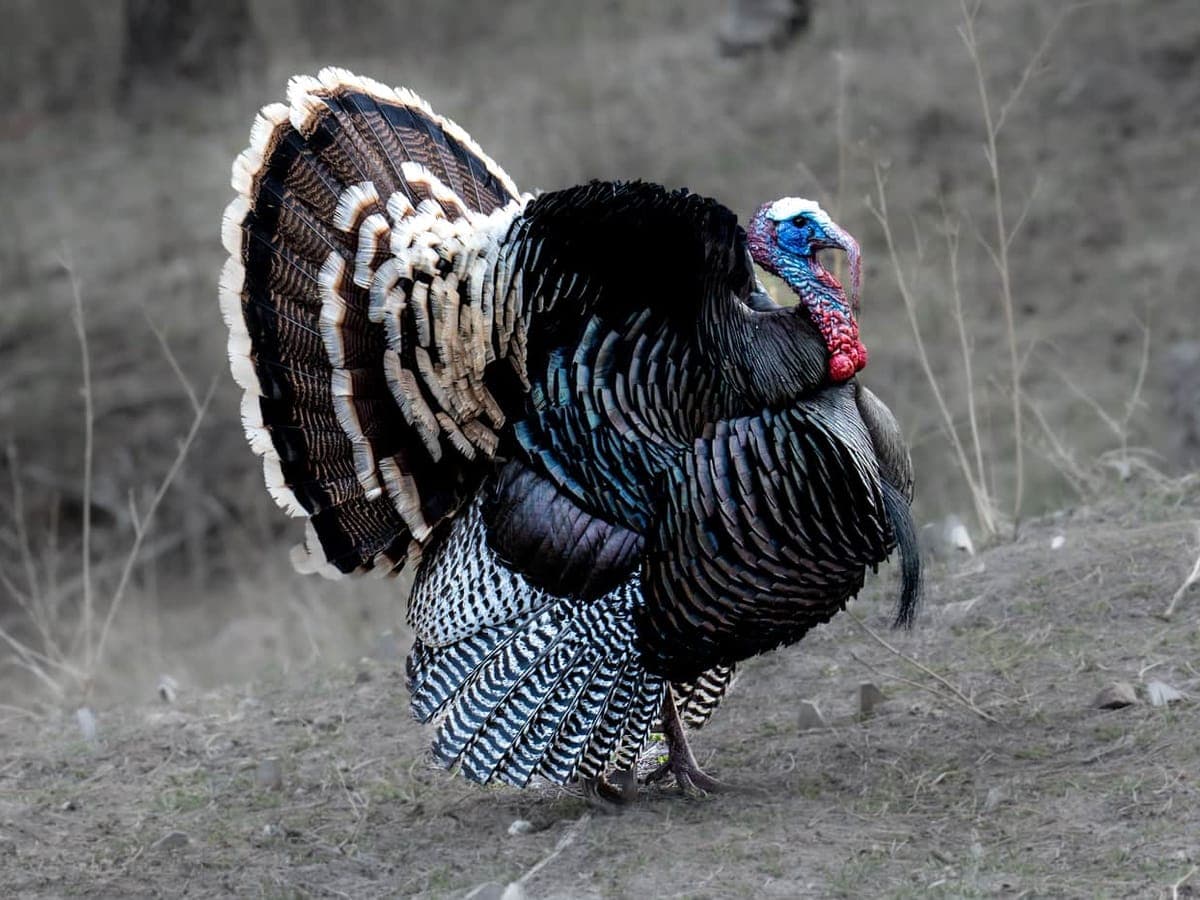
Turkey hunting gear for a first spring season: calls, decoys and blinds, guns, chokes and loads, vests and the rest of the kit, every pick scored on a published First-Season Score and none of it claimed as field-tested.

Gun safes & home safes
Gun safes, handgun and quick-access safes, and home fire safes, ranked on what an independent listing and a spec sheet can prove: UL burglary and fire listings first, then published steel, locks and bolt-down. Every pick is labeled by the threat it actually stops.
Trail cameras & cellular cams
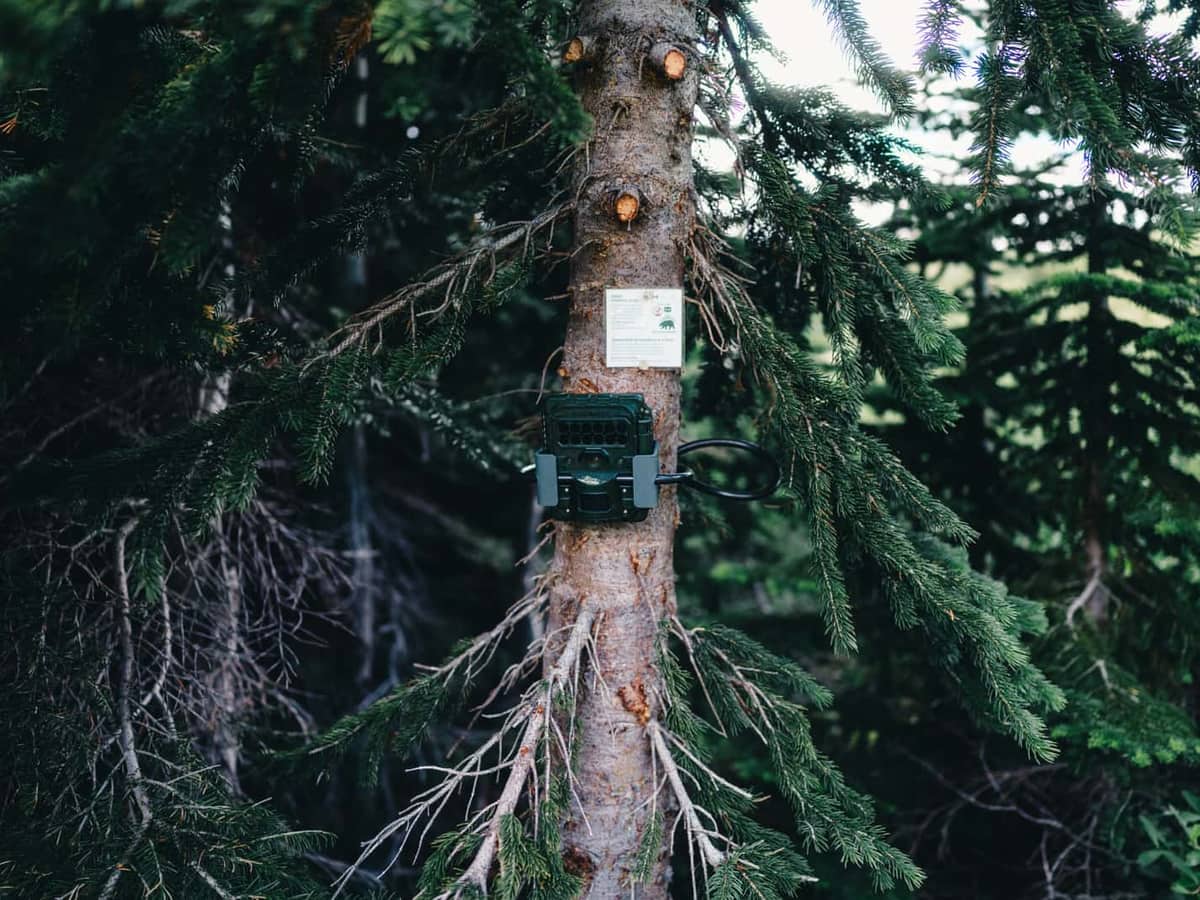
Trail cameras ranked on what matters in the woods: trigger speed, night image, battery and solar life, and the real monthly plan cost at one and four cameras. Cellular cams, plans, power, mounts and security, and scouting, scored on a public rubric from published specs, verified plan prices and cited independent tests.

Hunting optics: binoculars, rangefinders & spotting scopes
Hunting optics judged on the numbers, for the hunter who already owns a cheap pair and wants to know what the next $250, $500 or $1,000 actually buys. Binoculars, rangefinders, spotting scopes, monoculars, and the harnesses and tripods that make them usable, organized around three price tiers. The arithmetic is shown rather than asserted: exit pupil, twilight factor and angle-compensated distance are computed with the formulas printed on the page, every specification is read off the maker's own product page with the date it was read, and the site states on every page that it has field-tested nothing.

Hunting boots & snake boots
Hunting boots sorted by the problem the buyer arrived with rather than by product type: cold feet on the stand, wet feet in the marsh, snakes in the brush, fit and break-in, socks and drying. Picks rest on the maker's own published figures, insulation grams, neoprene thickness, shaft height and membrane type, scored on a single published rubric, and the site states on every page that it runs no thermal chamber and no snake-penetration rig, so it never calls a boot bite-proof.

Crossbows & crossbow accessories
Crossbows ranked on cocking effort — the force left after the cocking aid — rather than on feet per second, written for the hunter who came to a crossbow because something changed: a shoulder that will not draw a compound, an age-based permit that opened archery season, a state that made them legal, or a surgery. Six sections cover bows, cocking aids, scopes, bolts and broadheads, targets and cases, and the guides behind them, with cocked width published on every comparison table because it decides whether a bow swings in a ground blind. Every figure is the manufacturer's published specification and a row reads "Not published" rather than carrying a guess, scores come from a per-category rubric printed in full, and the site states plainly that it runs no test lab — which is why its scores are deliberately never emitted as review markup. Prices carry a visible verification date and are suppressed after 48 hours rather than go stale.
6 sites
Footwear, ultralight packs, camp furniture, hammocks, two-way radios and rugged watches. Gear that gets carried, sat on, slept in and dropped.
About the Camping, Hiking & Trail sites →
Hiking boots & trail footwear
Trail footwear organized by the problem it fixes: blisters, rolled ankles, wide feet, foot and knee pain, wet feet and winter. Free fit fixes first, then the boots and trail runners built for it, scored on a published rubric.

Backpacking & ultralight gear
Most of the ultralight, a fraction of the price. Tents, quilts, pads, packs, stoves and filters ranked on grams saved per dollar, measured against one named mainstream entry-level product per category, with the formula, the reference products and the score weights published. Six sections from tents and sleep to packs, cook and water, complete builds and gifts, plus three full kits at $500, $1,000 and $2,000 computed from the same numbers. Every weight and list price is the maker's own and linked back to the page it came from.
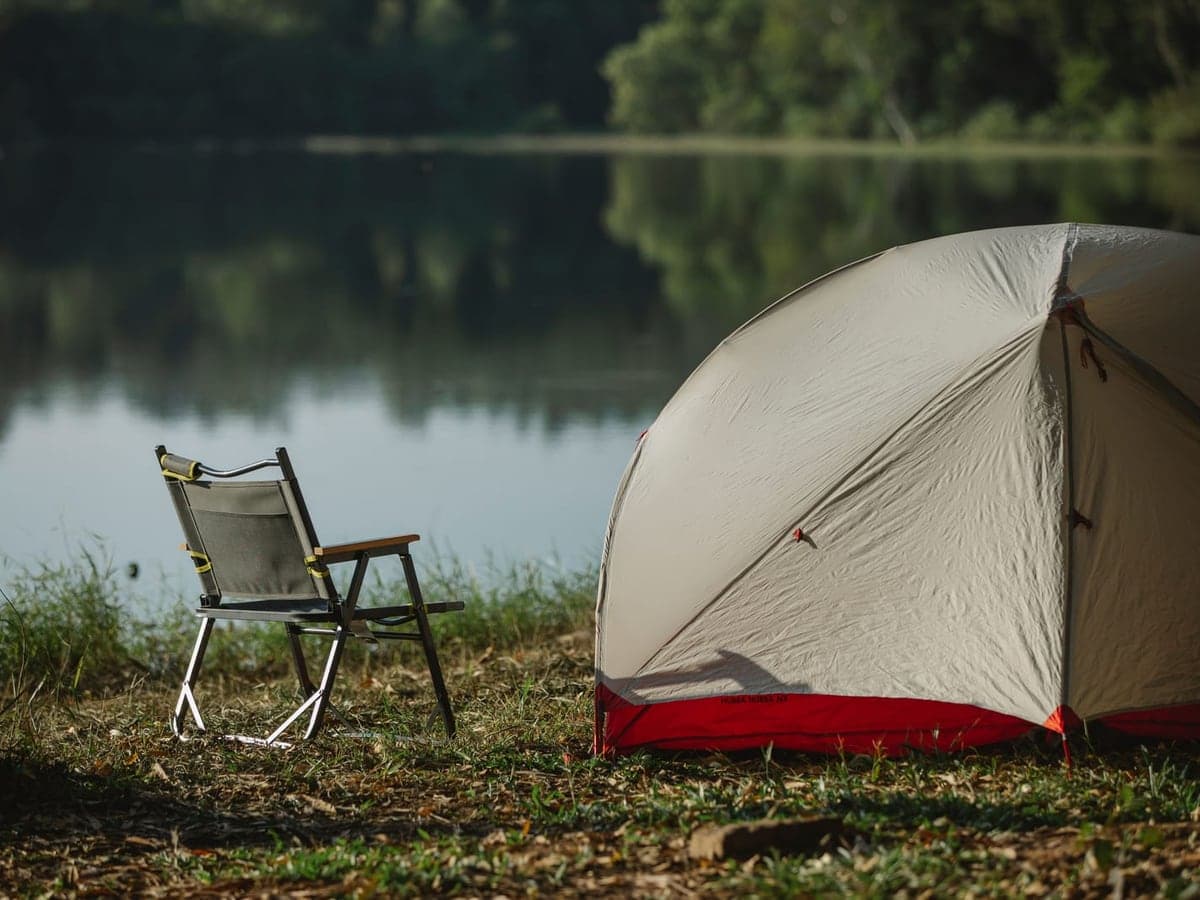
Camping chairs, cots & camp furniture
Camp furniture scored for durability, for the buyer who wants to buy the camp chair once. Heavy-duty chairs, cots, camping mattresses, camp tables and sideline seats ranked on a public Built-to-Last score where build durability and the written warranty carry about half, and where a term the maker doesn't publish scores zero in plain view. Six categories from chairs and cots to mattresses, tables and kitchens, sideline and tailgate chairs and gifts. Every spec links to the maker's page, replacement parts are scored on every product, and no chair is claimed as sat in.

Hammocks & hammock stands
Every hammock, and the stand that fits it. Rope, quilted, Brazilian, Mayan and camping nylon compared on published capacity, bed dimensions and the span each one needs, with stands judged on working length, rating and base width. Six style hubs, six stand hubs and the hanging guides that decide whether a hammock gets used or gets stored, plus straps, hanging kits, bug nets and rain flies. Every capacity, bed size and span is the maker's own published figure.

Walkie-talkies, GMRS & two-way radios
Radios for places phones don't reach. FRS and GMRS handhelds, mobile radios, antennas and headsets scored out of 10 on a published rubric where real-world reach carries 30 percent, built from maker spec pages, manuals and the FCC's Part 95 rules. Six hubs from walkie-talkies and GMRS licensing to real range by terrain, hunting land, road trips and family use. Every radio carries a license badge, and no radio is claimed as lab-tested.
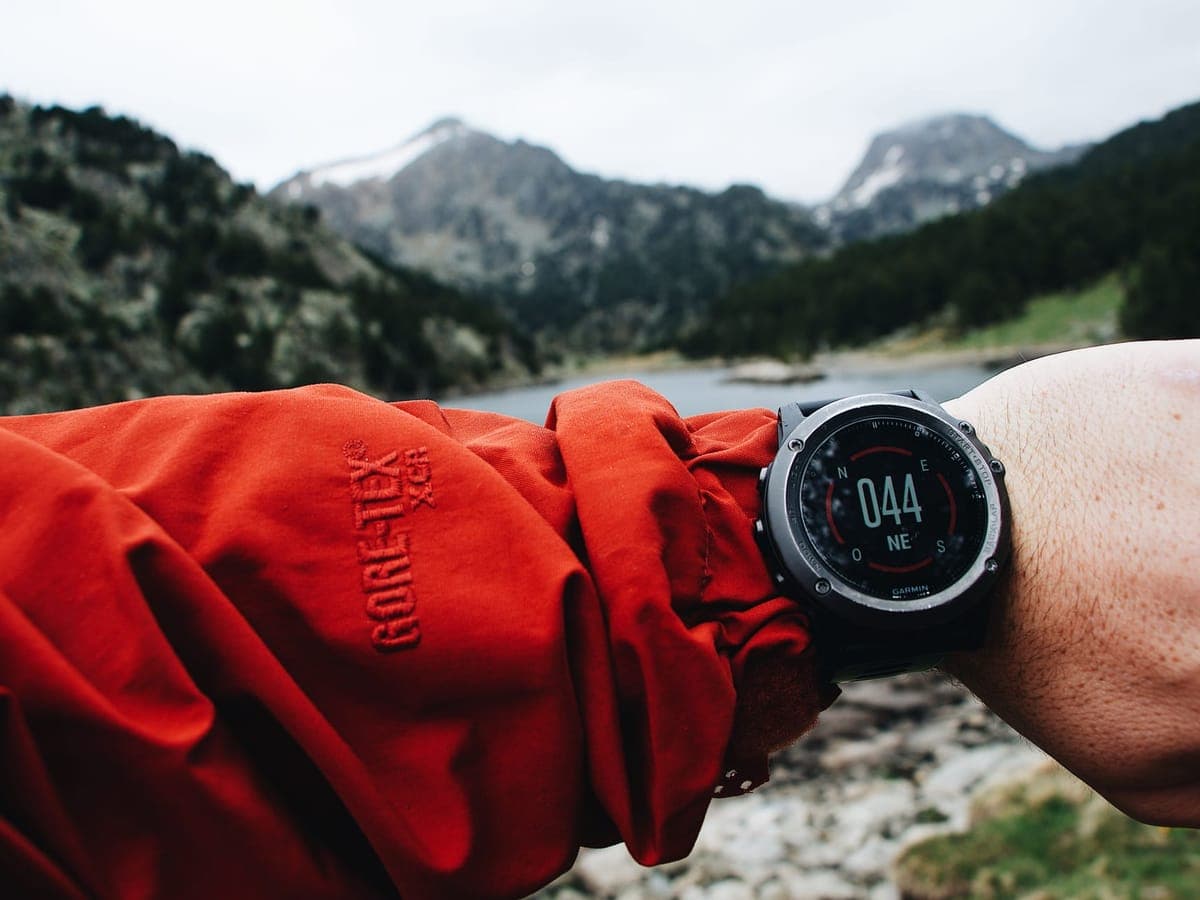
Rugged GPS & outdoor watches
Rugged GPS, G-Shock and tactical watches ranked for a decade of use, on the makers' own battery tables, materials and manuals. Garmin, Suunto and COROS GPS watches, G-Shock and Pro Trek, tactical and hunting picks, and the solar and long-battery models built to last, scored on a weighted rubric you can recompute.
6 sites
Running, boxing, conditioning, workout audio and recovery wearables. Training gear judged by how it holds up in use, not by the launch announcement.
About the Fitness & Training sites →
Running shoes & gear
Running shoes, GPS watches, hydration carry and socks, matched to the miles you actually run. Four levels from Couch-to-5K to marathon, each defined by a published training plan, with the scoring rubric public on every page.

Boxing & combat sports gear
A first home boxing or kickboxing setup, sized right from day one: gloves by body weight and use, hand wraps and how to put them on, a heavy bag that fits the room and hangs from something that can hold it, plus mouthguards, headgear, ropes and timers. Written for the adult or parent starting at home, with the safety basics coaches assume you already know.
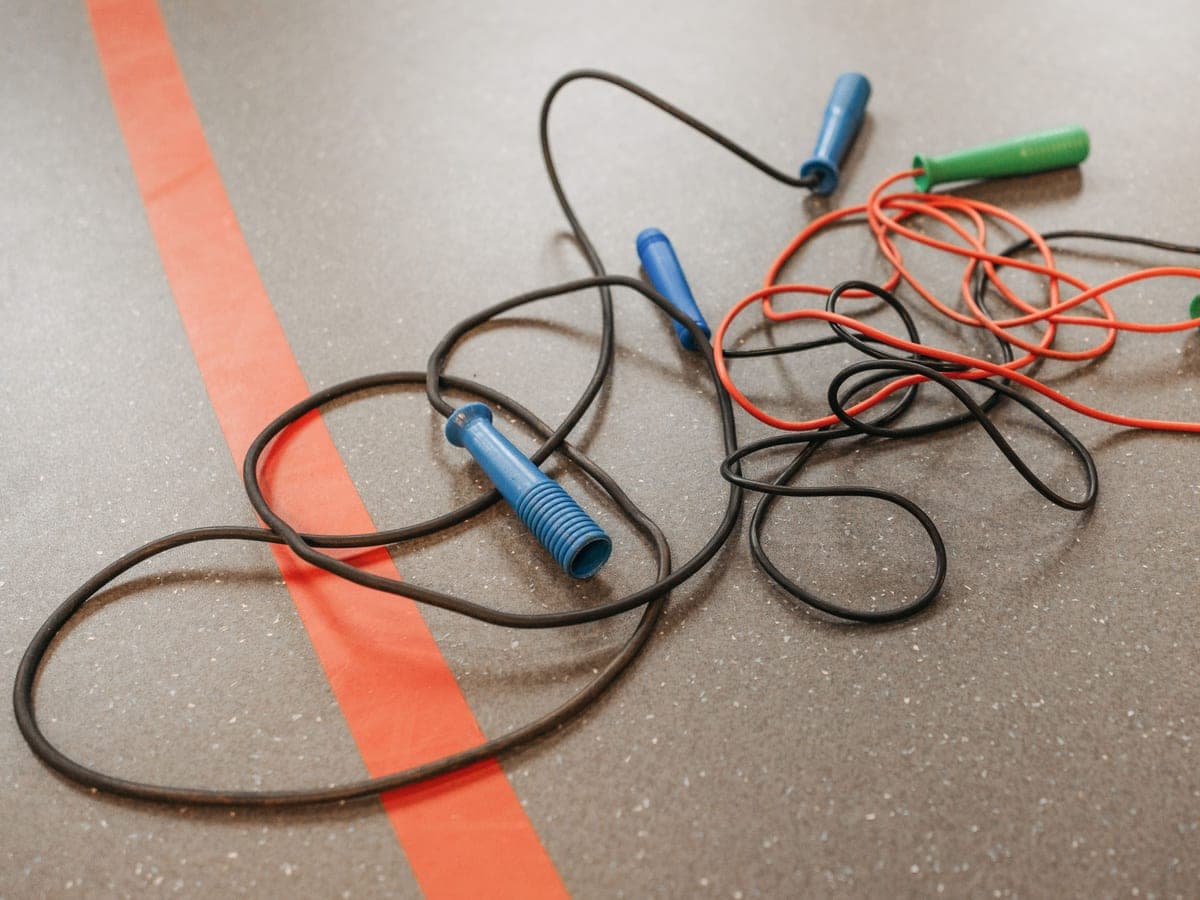
Conditioning & bodyweight training gear
Jump ropes, pull-up bars, gymnastic rings, dip bars and parallettes, kettlebells and conditioning gear, every pick chosen by door width, ceiling height and whether the lease lets you drill. Written for the reader in an apartment, a rental or a one-car garage who needs gear that comes down without a trace, scored on a published rubric.

Open-ear & workout earbuds
Open-ear, bone conduction and workout earbuds ranked by the two things that decide whether you keep wearing them: the fit system that holds them in and the IP rating that survives a soaked hour. Ear-hooks and clip-ons, bone conduction neckbands, gym and running picks, and guides on IP ratings, fit and hearing safety, every pair spec-checked on a published rubric built from the makers' own spec pages.

Smart rings & sleep wearables
Smart ring reviews for people who would rather own than subscribe. Every ring is labeled Researched and scored on a public rubric built from specs, fee policies and published studies, with subscription costs worked out over multiple years.
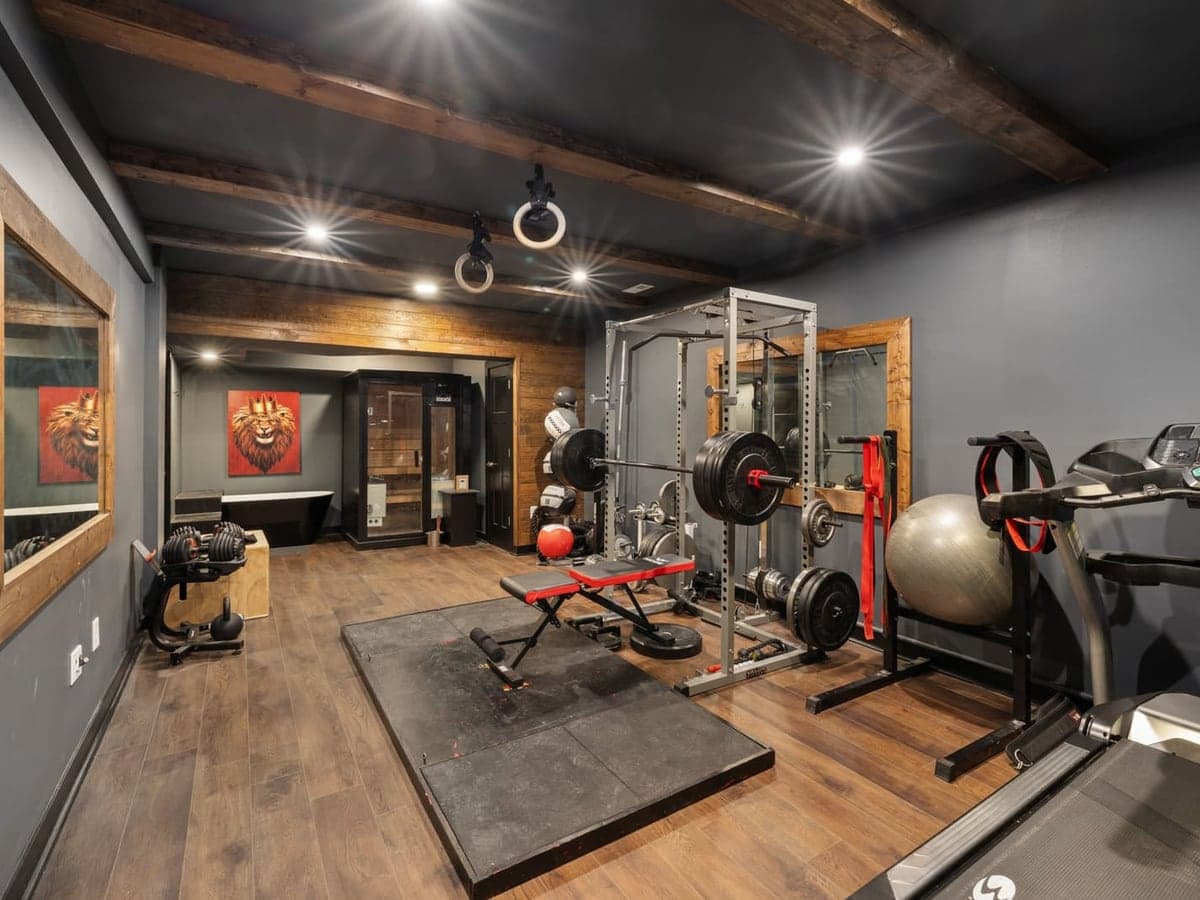
Home treadmills & exercise bikes
Full-size home treadmills and exercise bikes judged on the machine rather than the app: motor, deck, incline, flywheel and frame, with a whole section for the ones that still work without a monthly subscription. Every machine is scored from 0 to 10 on five equally weighted criteria using the same rubric site-wide, prices come from a live Amazon feed stamped with the date they were verified, and where a maker publishes no figure the table says Not published rather than guessing one.
3 sites
Youth baseball and softball, driveway basketball, trampolines and swing sets. Gear parents buy once and expect to last a season or five.
About the Sports & Backyard sites →
Youth baseball & softball gear
The parent's guide to a kid's season: the right bat, glove and gear by age and league. Which certification stamp the league actually requires (USA vs USSSA vs BBCOR), what size fits which age, and the one you can buy without second-guessing, across bats, gloves, helmets and catcher's gear, cleats, practice gear, fastpitch softball and gifts, chosen from the league rules and the makers' own sizing charts.
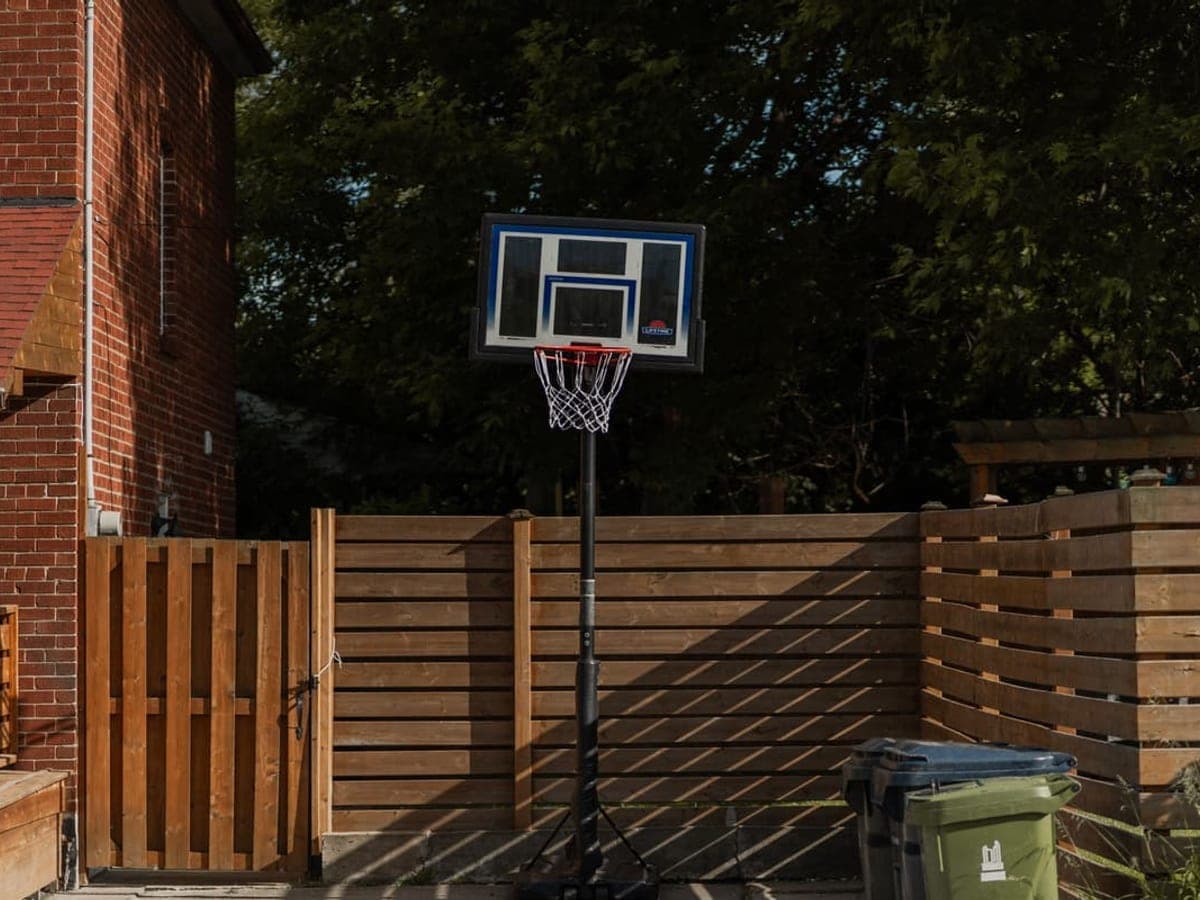
Basketball hoops & driveway sports
Driveway basketball, for homeowners: the right hoop for your driveway, and what it takes to put it up. In-ground vs portable, backboard size by driveway width, what the install manual actually asks for (hole size, bag count, cure time, quoted from the makers), rebounders and training aids, and the balls, nets, lights and chalk that share the slab. Every spec links to its source.

Trampolines, swing sets & backyard play
Backyard play, bought like a parent who reads the safety label: trampolines, swing sets and playsets rated on nets, springs, anchors and weight limits, plus the anchoring, surfacing and replacement parts that keep kids on the equipment. Every spec links to the maker's page or manual, every safety rule to CPSC, the AAP or the study it came from.
10 sites
Childproofing, kids bikes, meal prep, coolers and drinkware, camera eyewear and the home office desk. Everyday purchases where a clear answer beats a long list.
About the Home, Family & Everyday sites →
Childproofing & home safety
Babyproofing by room and by stage, for the parent who just watched the kid start crawling: baby gates, cabinet locks, furniture anchors, outlet covers, and window, door and fireplace safety, picked by the standard each product meets and the wall it actually needs, with the installation truth the box leaves out quoted from the manual. Every spec links to its source.

Kids bikes & balance bikes
Kids' bikes sized by inseam instead of age, in the three stages a child actually goes through: balance bike, first pedal bike, then gears. Seven sections from bike sizing and helmets to learning to ride and the gift guide, with every weight, minimum saddle height and fit range read off the manufacturer's own spec page and linked back to it, and bike weight worked out as a share of the child's body weight against published CDC medians. Prices render live or the page says check price, and every product card states plainly that the bike has not been ridden.

Meal prep containers & lunch gear
The meal-prep system for people who train: cook once, pack in minutes, eat on time all week. The containers, scale, shaker and lunch bag for a gym-going parent or a shift worker who wants the whole kit decided, across six sections from containers and food scales to bulk cooking, freezer workflow and meal prep systems, every pick scored from published specs on a public rubric.
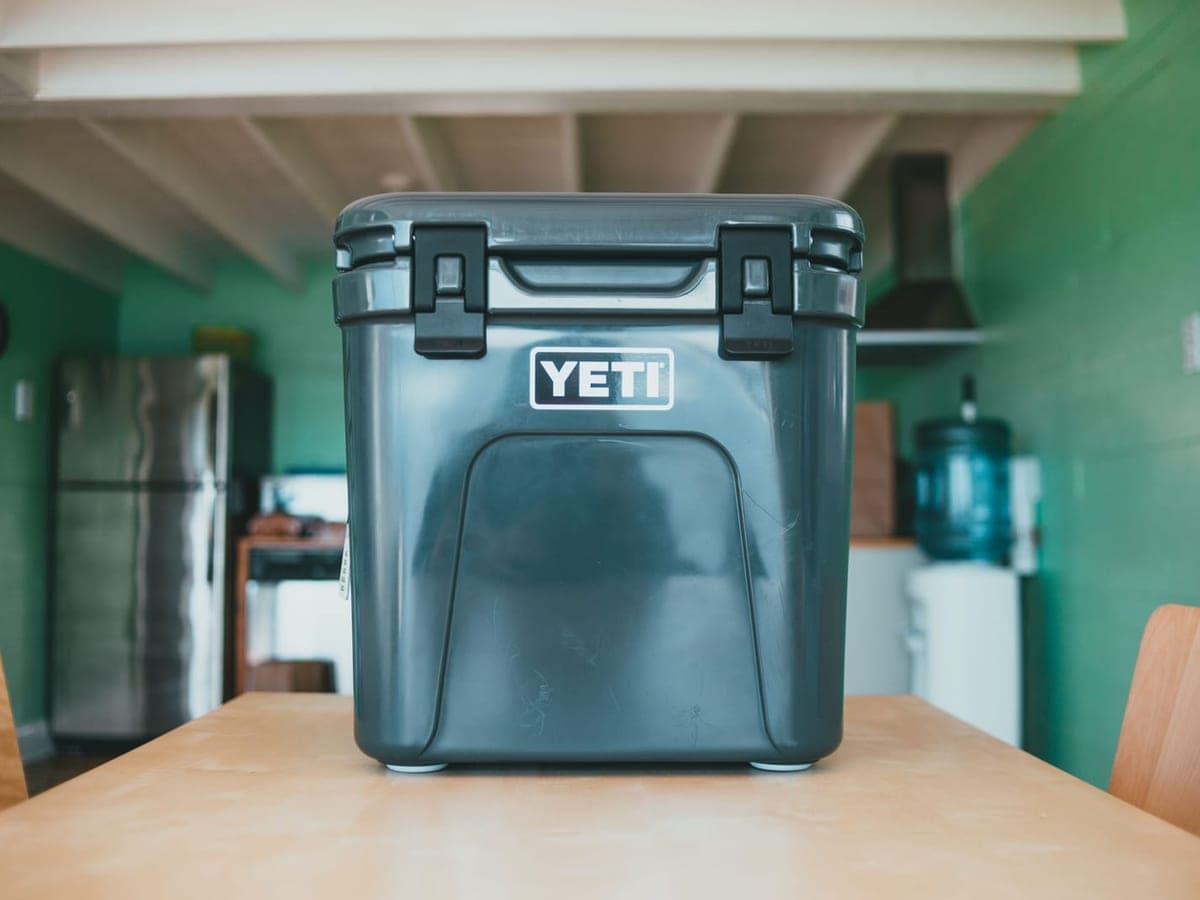
Coolers, tumblers & drinkware
One cooler, one tumbler, never buy them again. Hard coolers, soft coolers and insulated drinkware ranked on ice hours as measured by named third-party tests, warranty years quoted from the maker's own page, and whether the latch, gasket, lid or straw is sold as a part. Six hubs from hard coolers and soft coolers to drinkware, ice retention, warranty and repair, and gifts. Numbers, not logos.

Smart glasses & camera eyewear
Smart glasses explained for a normal person: Ray-Ban Meta vs Oakley Meta vs camera-free frames, laid out like a spec sheet you can actually read. What the camera and the little white light really do, how long the battery lasts once you stop trusting the box, which frames take your prescription and which pair fits a big head. Six hubs from best picks to camera and privacy. Every number sourced, and rated shown next to measured.
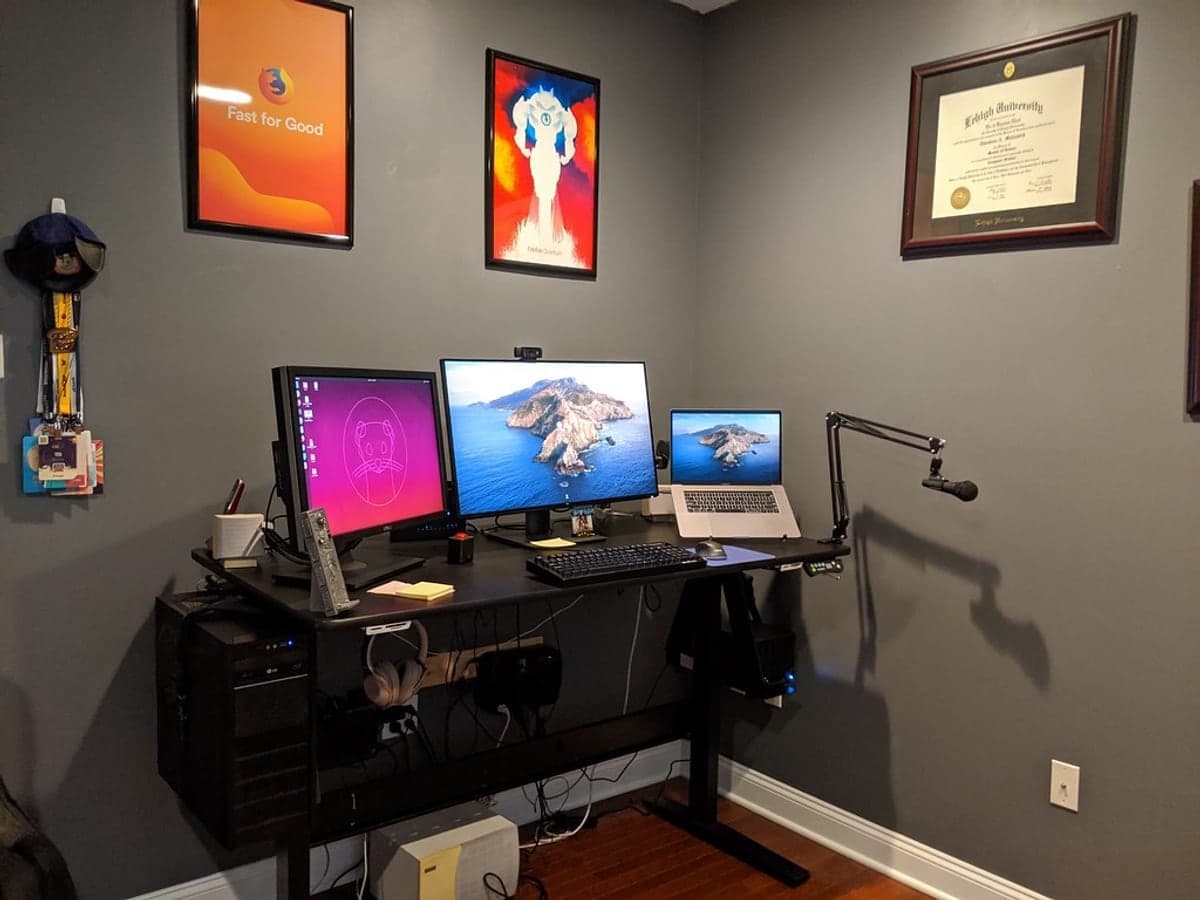
Standing desks & active home office
Sit-stand gear sized to your body and your back, rather than to a price bracket: standing desks, desk converters, walking pads, standing mats, chairs and stools, and the storage and accessories around them. Desks are scored on a published five-part rubric that puts height range and stability at height ahead of warranty scope, capacity headroom and parts availability, so the question is whether the desk still fits you in year five. The owner works at an UPLIFT V2 he bought himself and writes up that use directly; every other pick is built from the maker's published specs, manuals and warranty documents, each linked back to the source.

Pressure washers & exterior cleaning
Plain-language picks for the person buying a first pressure washer, plus the surface cleaners, nozzles, hoses and detergents that decide whether the machine is any use. Seven sections, from machines and car washing to surface how-tos and the basics-and-fixes troubleshooting. Every product carries four scores (ease of use, capability, build and value) against criteria written out on its how-we-pick page, and every pick names its trade-off. The site states plainly that it runs no testing lab: picks come from published manufacturer specs, live Amazon catalog data and the patterns that repeat across large volumes of owner reviews. Prices carry the date they were checked and vanish after 48 hours rather than going stale.
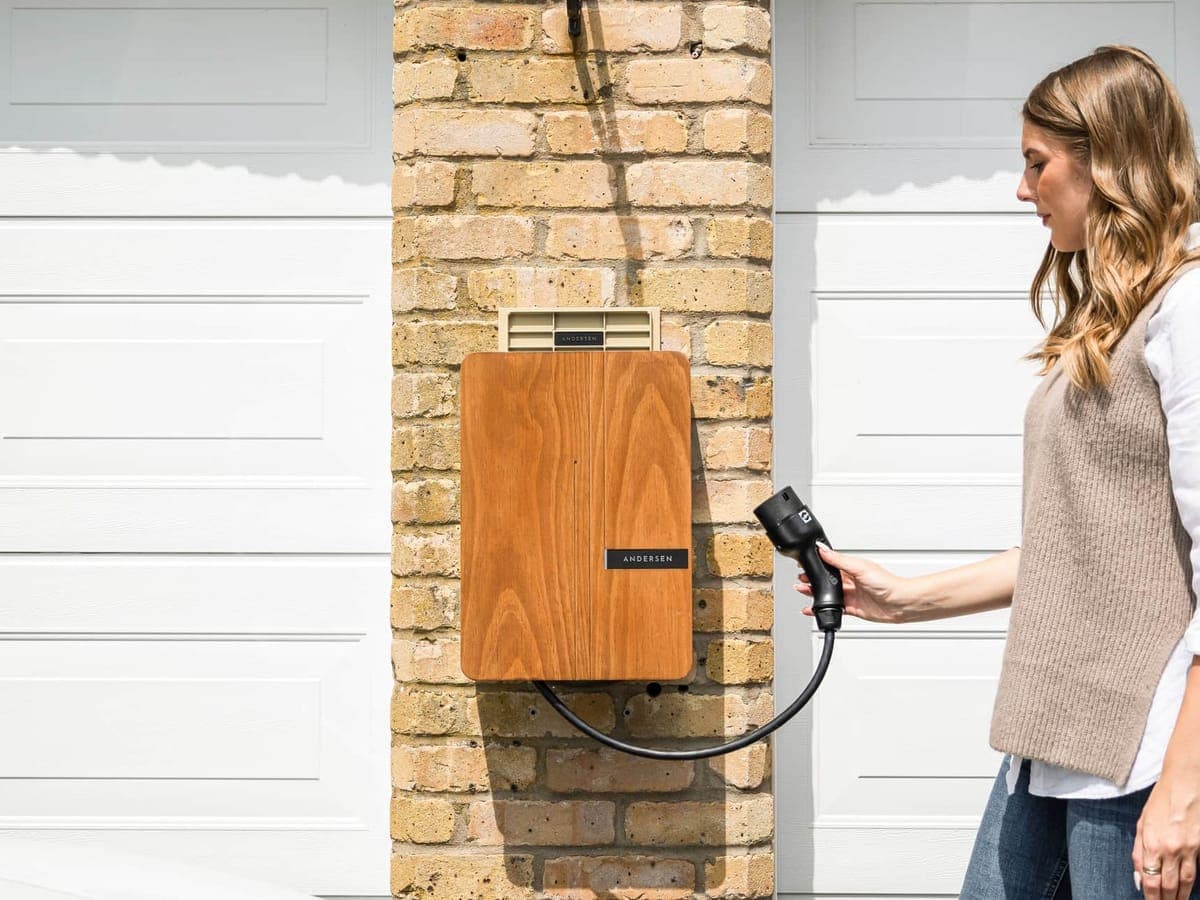
Home EV charging
Which Level 2 home charger to buy, matched to the car's real onboard AC limit, the panel's spare capacity and where the car parks, rather than sorted by brand. Six sections cover chargers, vehicles, installation, cables and adapters, outdoor mounting, and costs and rebates. Charger specifications are verified against the manufacturer's own datasheet and dated on the page, electrical requirements are cited to the National Electrical Code by article number, and each vehicle's maximum AC rate comes from the maker's published figure with efficiency from the US DOE and EPA. The site states plainly that it owns no test lab and measures nothing itself, and no price is written as text: prices render from live Amazon data with the date checked and disappear after 48 hours rather than going stale.
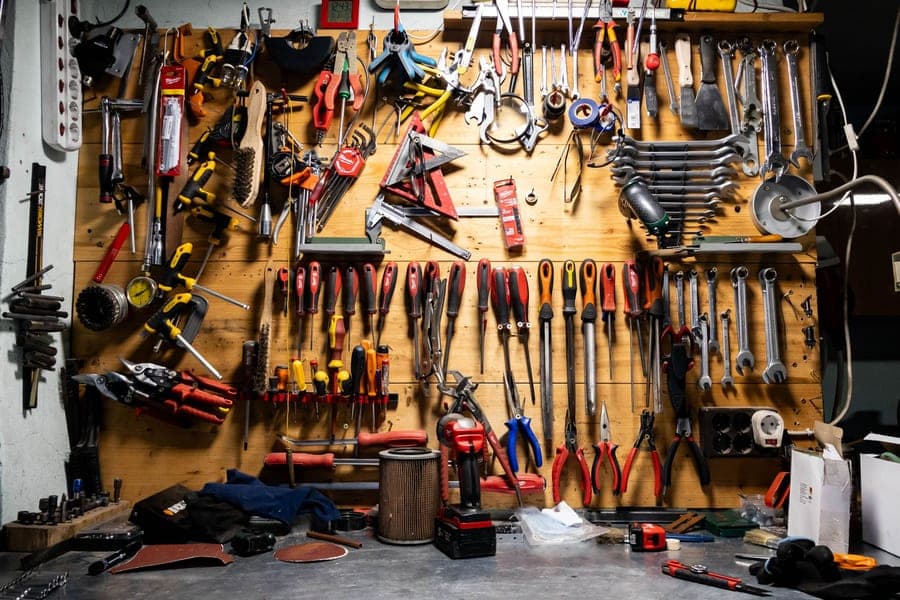
Garage & home shop setup
Set up the garage you keep walking past: workbenches and tops, cabinets, shelving and overhead racks, pegboard and slatwall, floor coatings, tiles and mats, heaters, shop lighting and tool chests. The same catalog is cut two more ways, by garage size from a small single bay up to a three-car with high ceilings, and by budget band. Every figure is the maker's own, quoted from the published spec sheet and cited, and where a manufacturer publishes no load rating, steel gauge or coverage number the page writes that absence in rather than estimating one. No star ratings, no review counts and no testimonials, because the site holds no review data of its own.

Apartment & first-home essentials
Move-in checklists turned into buyer's guides, room by room, for a first apartment, a dorm or a first house. Every line of every checklist carries the item, one sensible pick, a live price and a running total for the room, so the whole commitment is visible before anything is bought. Kitchen, bath and laundry, dorm room, and tools and fix-it, with every product scored out of ten on four metrics chosen for a mover in a small space on a budget rather than for a spec enthusiast, and each component score shown next to the total. Prices are never typed in: they come from a live Amazon lookup with the date they were checked and expire after 48 hours rather than go stale, and the site states on the page that it runs no test kitchen and no workshop.
3 sites
Halloween yard haunts, Christmas lights and inflatables, and Thanksgiving hosting gear. Short seasons, so the sites focus on what holds up year after year.
About the Seasonal & Holiday sites →
Halloween decorations & yard haunts
Build the yard haunt the neighborhood talks about. Animatronics and 12-foot skeletons, inflatables that survive wind, fog machines and fluid, lighting and projection, the power setup that runs it all, and the November storage that decides whether it comes back. Written for the decorator who already decorates and adds one bigger piece a year, and it spends its effort on the parts other sites skip: anchoring, circuit load, keeping electronics dry. Every category publishes its own criteria, and every figure is credited to the manufacturer, retailer listing or named third-party test it came from.

Christmas outdoor lights, inflatables & yard displays
The outdoor Christmas display, solved, organized around the six stages of the job rather than around product categories: measuring a roofline and converting feet to strands, which bulb type suits which part of the house, which clips hold on gutter guards, metal roofs, brick and stucco, the amp math that stops the breaker tripping, inflatables and projectors that survive wind, and the takedown that makes next November take an hour. Its scores are its own editorial rubric, published on each roundup, and its specifications are linked in a Sources section on every page.

Thanksgiving & holiday hosting gear
Turkey fryers, roaster ovens, prep and serving, the Thanksgiving table, New Year's Eve and a first-time hosting track, written for whoever drew the big meal this year. Every safety number carries a source, from the National Turkey Federation, the USDA and fire-service guidance, and the rules for the day itself are written in plain English. Its category scores are its own editorial rubric, published alongside each roundup.
10 sites
Sites that have been added to the portfolio since the categories above were written.
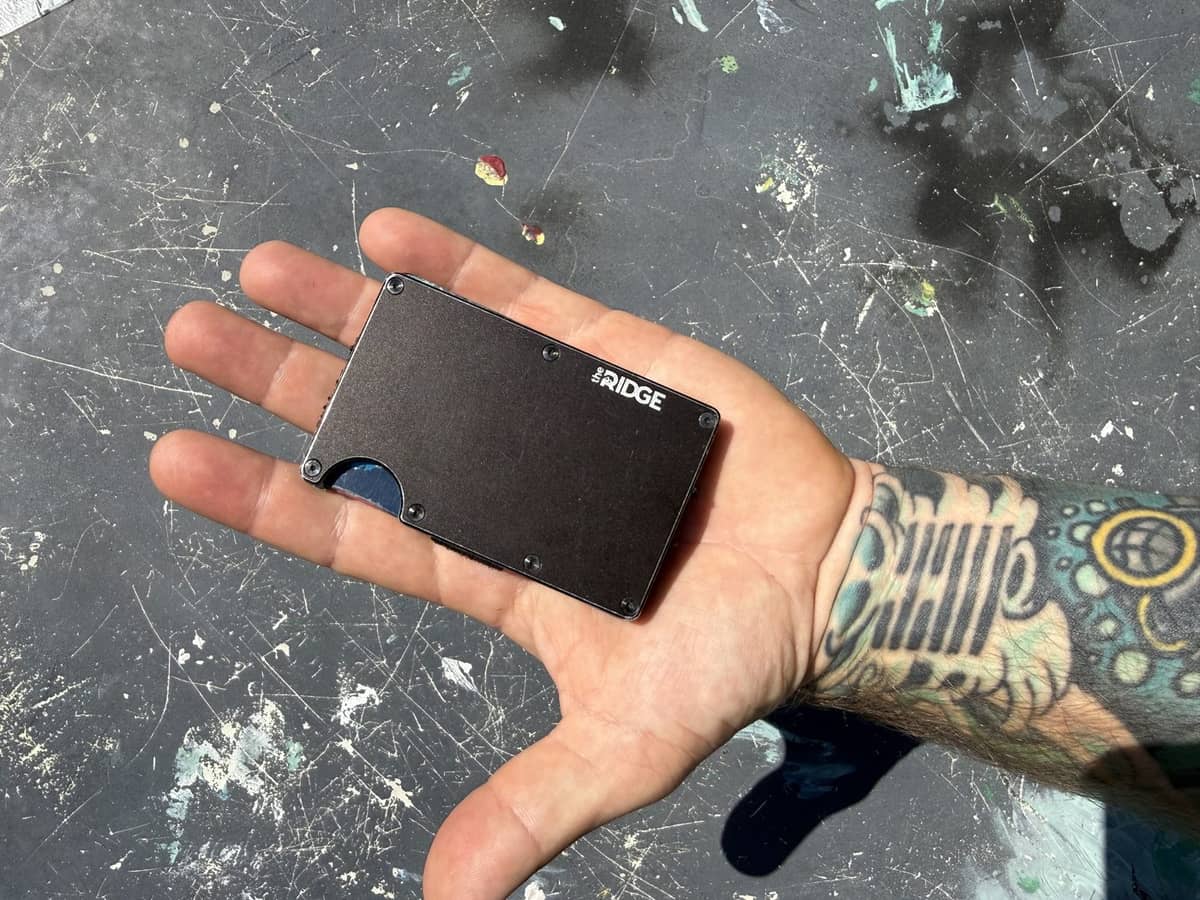
Everyday carry & dad gear
Everyday carry, outdoor, tech and fitness gear for dads, from a Marine combat veteran and gym owner who buys the gear, carries it and photographs it in his own house. Two kinds of page are kept strictly apart: owner reviews, where he owns the product, has used it and publishes a rating, and researched product pages labeled Product Information, Not A Review that carry no rating. Gifted or brand-supplied gear is disclosed in plain text at the top of the page, and no Amazon price is printed.

Boots, leather & buy-it-for-life gear
Gear bought once and kept for decades, judged on three things the maker has to publish: what the warranty actually covers, whether the thing can be repaired and by whom, and what it is made of. Boots and leather, cast iron and kitchen, socks and workwear, camp gear, pet gear, and watches and tools, with every warranty term quoted from the brand's own document and dated, and the exclusions printed rather than buried. No star ratings and no scores, because a number would imply a measurement the site did not make, and it says on every page that it runs no lab and no wear tests. Prices are pulled live and date-stamped, and the buttons fall back to Check price rather than show a stale number.

Backyard chickens & coop gear
Backyard chicken gear sized to the flock you actually have, from the coop to the predator-proofing, written for someone buying their first one. Its angle is capacity: manufacturer dimensions are checked against university extension space requirements, which is how it arrives at its standing finding that most coops are sold for roughly twice the flock they can house. Space, feed, water and temperature figures come from extension services, the CDC and USDA APHIS with the source named on the page, prices come from a live feed with a visible date and disappear rather than go stale, and where a manufacturer publishes no figure the tables say so. It states plainly that it has not assembled and lived with every coop it covers.
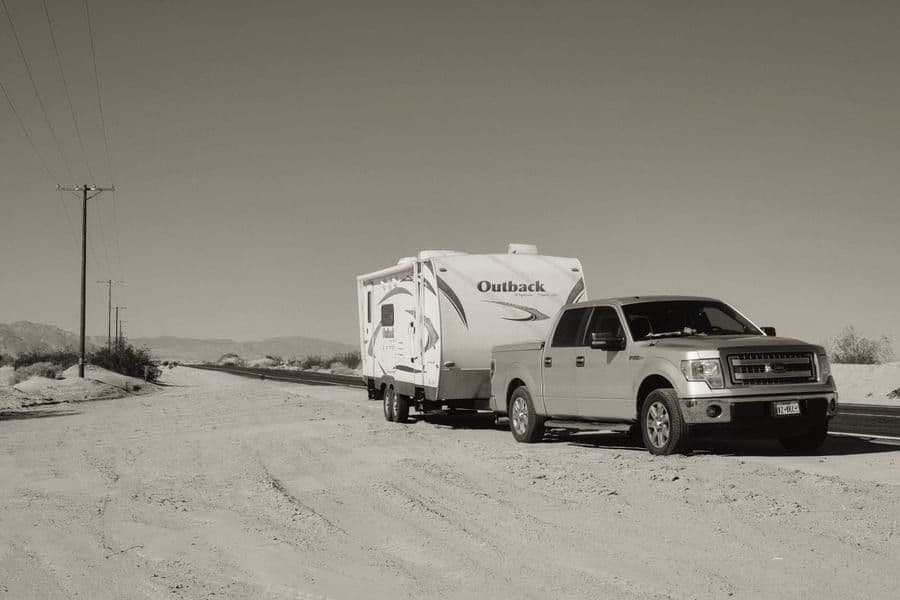
RV, trailer & towing gear
Weight distribution hitches and travel trailer setup gear matched to trailer weight and tow vehicle, written for the first-time owner who has just picked up the trailer and has to tow it home. Six sections cover hitches and sway, towing setup and capacity, leveling, chocks and stabilizing, water and waste, power and electrical, and trailer essentials and tires. Each category publishes its own weighted rubric with the weights printed on every product card, so a score can be recomputed by anyone who disagrees with it, and the rubric deliberately puts setup effort and backing-up behavior ahead of raw capacity. The site states plainly that it has no test lab, no fleet of trailers and no owned units: picks come from published manufacturer specifications that are cited, owner-reported experience attributed as reporting, and live marketplace data. No price is written as text; prices are read automatically from the retailer with the date stamped on them and disappear after 48 hours rather than go stale.
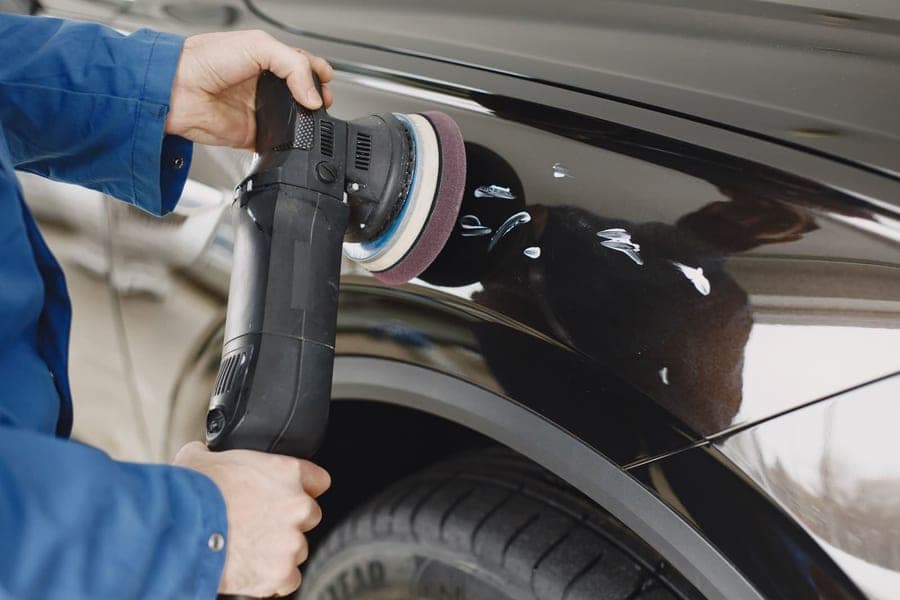
DIY car detailing
Independent picks for detailing your own car, ordered the way a detail actually runs: washing, foam, decon and drying, then polishers and paint correction, wax, sealants and protection, ceramic and graphene coatings, interior detailing, and wheels, tires and trim. Its whole argument is what it does not do. It stocks nothing and sells nothing, and every page carries a label at the top saying the products on it have not been through its hands. Picks are built from published manufacturer specifications and the patterns in verified-purchase reports, read for the failure modes a spec sheet never shows, and where a maker publishes no figure the spec tables say Not published rather than carrying an estimate. Prices are pulled live from Amazon with the date on them and expire after 48 hours rather than go stale.

Audiobooks & books
Audiobook picks matched to your taste, the time you have and where you will be listening, judged on the performance rather than on the book alone. Genre hubs sit alongside an occasion section that sorts by the situation — long drives, the daily commute, family road trips, working out, walking, long flights and falling asleep — and by runtime, from audiobooks under an hour to the really long ones. Behind those are narrator pages that organize picks by the performer, read-alike pages for what to listen to next, a kids section, and guides comparing Audible, Kindle Unlimited and library lending. The narrator is named on every pick and no star rating appears anywhere on the site. It states plainly that it has not tested these books: there is no listening lab and no panel, only judgment about the writing and the performance and a published method for how the picks are made. It declines to print narrator biographies or award counts because it cannot verify them, it points readers at free library borrowing through Libby on every page where that is genuinely the right answer even though it earns nothing from it, and Amazon prices carry the date they were checked and vanish rather than go stale.

Home backup power
Home backup power sized from the load you need running rather than from the catalog, written for the household that has just sat through one outage too many. A load calculator and appliance wattage chart come first, then outage prep, portable, dual-fuel and quiet inverter generators, power stations and solar, transfer switches, interlock kits, inlet boxes and cords, running costs, the comparisons people actually search, and model-by-model reviews. Every specification is the manufacturer's published figure or a figure from a cited public chart, retrieved programmatically rather than retyped, and the two wattage charts it leans on are named on the page with both figures shown where they disagree. The site states plainly that it operates no test lab and has handled none of these machines, so its scores are labeled editorial judgment and are deliberately not marked up as review ratings. No price is written in prose: figures come from a live daily feed with the check date attached and disappear after 48 hours rather than go stale.

Work truck & pickup accessories
Work truck gear ranked for the people who load it every morning: truck tool boxes, bed drawer systems and slides, tonneau covers, bed liners and mats, ladder and headache racks, mud flaps and running boards, seat covers, cab organizers and floor liners. It is organized on two axes, by product category like every other site and by truck — F-150, Silverado 1500, Ram 1500 and Tacoma — which is the fitment layer almost nobody publishes and the reason the site exists, because "universal fit" in truck accessories means "fits some full-size beds" and that distinction costs people freight returns. Every pick carries one of three stated evidence tiers — hands-on, spec-verified or owner-report-verified — and nothing claims hands-on use of a product that has not had it. Scores are broken out by named metric on every card and deliberately never emitted as review markup, because the site runs no test lab. Where a manufacturer publishes no specification the page says "not published" rather than estimating, and no price is typed in by hand: figures come from Amazon at request time with the date they were checked and vanish after 48 hours rather than go stale.

GPS trackers & item trackers
GPS and Bluetooth trackers ranked on what they cost to own for three years rather than on what they cost to buy: device price, plus the brand's own published plan rate across thirty-six months, plus any activation fee, with the arithmetic shown on the page. It covers trackers with no monthly fee, cars, trailers and bikes, dogs and cats, kids and elderly parents, luggage, tools and gear, and keys, wallets and everyday carry, alongside comparisons, model reviews and a section on how the three underlying technologies actually work. It states plainly that it lab-tests nothing — no test bench, no field range testing, no battery endurance runs — so there is no star rating anywhere on it and no review or rating markup either; each pick names who it suits and who should skip it instead. Specifications are quoted from the manufacturer with the date they were read, and prices come live from Amazon and expire after 48 hours rather than go stale.

Work boots & jobsite gear
Work boots, gloves, pants, insoles, socks, knee pads and heated gear sorted by the trade you work rather than by brand, on the argument that almost every bad boot purchase is a matching problem and not a quality one. Ninety-two shortlists and guides cut the category four ways at once — by trade, by the ground underfoot, by the fit problem you have, and by the safety spec your site requires — with ASTM F2413 for footwear and ANSI/ISEA 105 and 138 for gloves decoded and cited on every page. It says on the homepage that it has lab-tested zero boots: picks come from published manufacturer specifications checked against those standards, owner feedback read at volume for the complaints that recur, and a weighted rubric that is re-weighted per page, so the same two boots score differently on a concrete page and a broken-ground page. It declines to mark its own score up as review structured data, carries no testimonials because it has none to quote, and pulls every price live from Amazon stamped with the date it was checked — unverifiable prices read "check price" rather than showing an old number.